Some campaigns get attention for a quarter.
A few become part of culture for decades.
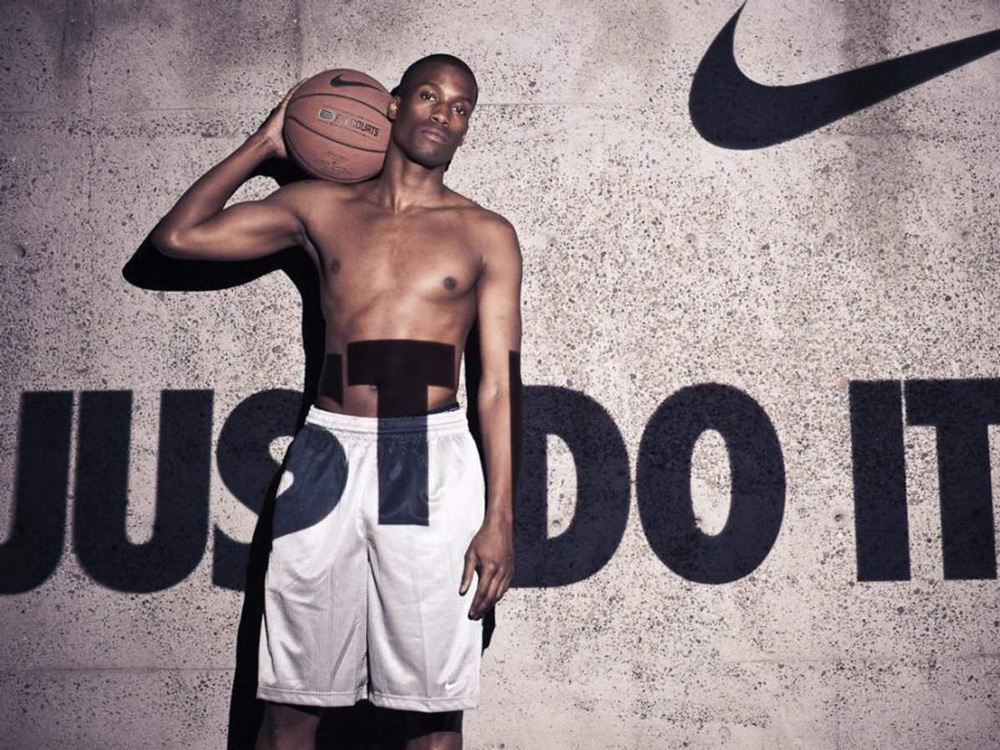
Nike’s “Just Do It” belongs to that second category, and that is exactly why this article has remained one of the strongest performers on your site. It is not just a story about a famous slogan. It is a practical blueprint for building a brand system that keeps working even when platforms change, ad costs rise, and market conditions get harder.
That core idea still holds in 2026.
The reason is simple: Nike did not build “Just Do It” as a one-time creative concept. It built it as a long-term operating principle—clear positioning, emotionally resonant storytelling, repeatable brand language, and disciplined execution across channels.
If you want your marketing to generate more than short spikes, this is still one of the best case studies to learn from.
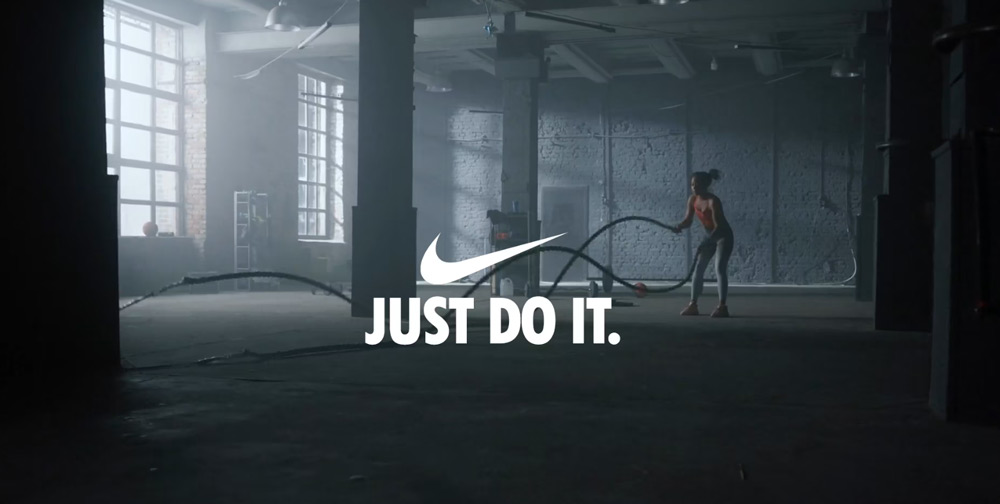
The original strategic insight behind “Just Do It”
A lot of marketers remember the line. Fewer remember the strategic move behind it.
Nike’s own 2025 “Why Do It?” launch revisits the origin story clearly: the first “Just Do It” ad (1988) with 80-year-old runner Walt Stack made a bold point—sport is for everyone, not just elite athletes. That widened the market and made the brand identity inclusive without becoming vague.
That is what made the campaign durable. Nike attached the message to a human truth people could see themselves in.
Not “buy this shoe.”
Not “our product has feature X.”
A bigger identity: movement, effort, courage, progress.
Why this campaign still matters in 2026
In 2025, Nike relaunched the platform for a new generation with “Why Do It?”, framing greatness as a choice rather than an outcome. It was not a nostalgia exercise; it was a strategic refresh of the same core belief for a new audience context.
At the company level, Nike also moved through leadership and operating resets: Elliott Hill returned as President & CEO in late 2024, and the business entered a phase of execution adjustment.
Financially, FY2025 results showed pressure (revenue down to $46.3B, NIKE Direct down 13%), while demand-creation spending increased (up 9% to $4.7B). That combination is an important signal for marketers: even under pressure, Nike did not abandon brand demand creation—it refined execution around it.
So the modern lesson is not “brand vs performance.”
It is brand signal + performance discipline.
The four pillars that made “Just Do It” exceptional
1) A positioning line that scales across decades
“Just Do It” is short, but strategically expansive. It can speak to beginners and elite athletes, daily training and high-stakes competition, personal progress and public performance.
Most campaigns fail here. They are either too tactical (“20% off now”) or too abstract to guide execution. Nike found the rare middle: emotionally rich and operationally useful.
2) Emotional storytelling grounded in action
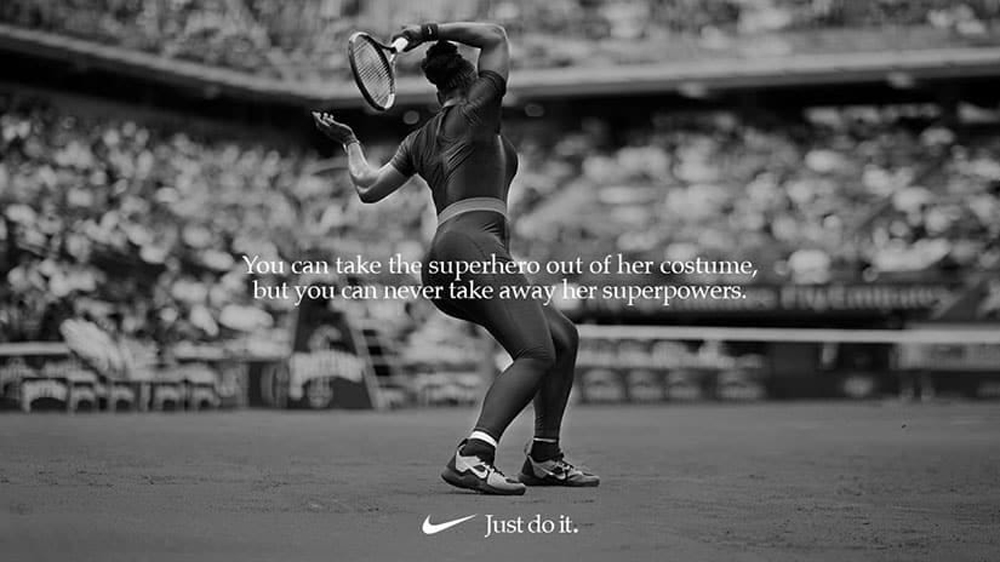
Nike’s strongest campaigns don’t just say “believe.” They show effort, setbacks, and resolve. The message is emotional, but the visual language is behavioral. That combination creates memory and credibility.
This is why the brand can create culture moments without becoming random. Even controversial or high-profile chapters still connect back to the same core identity.
3) Consistency without creative stagnation
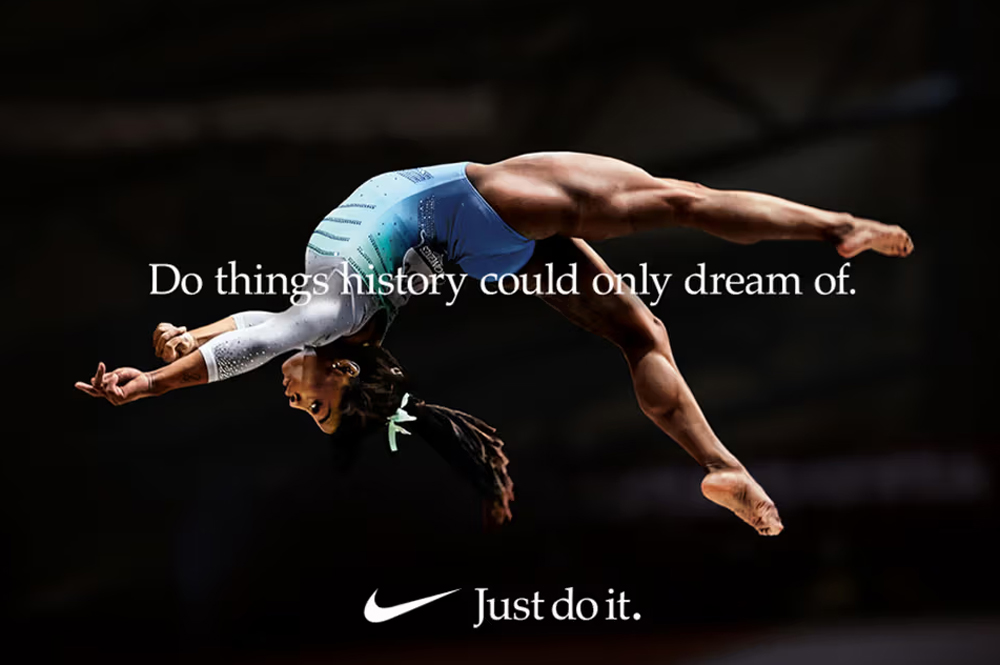
Nike has evolved the expression repeatedly—from earlier iconic “Just Do It” chapters to “Dream Crazy,” and now “Why Do It?”—while preserving strategic continuity. “Dream Crazy” even won the Emmy for Outstanding Commercial, showing how brand storytelling can also achieve creative excellence at scale.
Consistency is not repetition.
Consistency is recognizable meaning across changing executions.
4) System-level execution, not campaign-level thinking
What made Nike durable is that the idea was never trapped in ad creative only. It traveled through sponsorships, product narratives, retail experiences, athlete partnerships, and digital content. That cross-touchpoint coherence is what turns a campaign into a growth engine.
What most brands get wrong when trying to copy Nike
Many teams try to “do a Nike-style campaign” and fail because they copy surface-level elements:
- cinematic visuals without strategic clarity,
- emotional lines without proof,
- short-term media spikes without message consistency,
- influencer bursts without brand architecture.
The result: high reach, low recall quality, weak conversion depth.
If your brand is seeing decent impressions but poor downstream performance, this is often the real issue. You are buying exposure, not building a durable demand system.
A practical framework you can apply now
You do not need Nike’s budget to apply Nike’s principles. You need disciplined structure.
Step 1: Define a one-sentence brand conviction
Not a tagline first. A strategic sentence:
“We help [specific audience] achieve [specific outcome] through [distinct approach], consistently.”
If your team cannot say this clearly, creative and media will fragment.
Step 2: Translate that conviction into 3 content lanes
Create recurring content that reinforces the same identity from different angles:
- Proof lane: customer outcomes, case evidence, before/after, measurable wins
- Process lane: how your product/service works, why decisions are made
- Belief lane: what you stand for, why it matters, who it is for
Most brands overproduce lane 3 and underproduce lane 1.
Step 3: Align paid media with message architecture
Do not run five unrelated ad angles just to “test more creatives.”
Run one core message with controlled variations in hook, proof format, and CTA.
This gives you cleaner learning and faster scaling decisions.
Step 4: Build post-click trust before scaling spend
If your ads improve but conversion quality does not, the bottleneck is usually after the click.
At minimum, high-intent pages need:
- clear offer framing,
- evidence and social proof,
- friction reduction (pricing clarity, process clarity, objections handled),
- next step that feels low-risk.
Step 5: Measure outcomes that matter
Track beyond CTR and CPC:
- qualified lead rate,
- cost per qualified lead,
- sales-accepted lead rate,
- conversion lag by channel,
- assisted conversions,
- blended ROAS / contribution margin where possible.
Nike’s playbook works because it ties identity to outcomes. Your dashboard should do the same.
Why this article’s core lesson keeps performing
The reason this topic became your best post is that it answers a universal business question:
“How do we build marketing that compounds?”
Nike’s example remains powerful because it proves that compounding comes from strategic coherence. A brand message becomes an asset when it can be reused, reinterpreted, and re-activated across years without losing meaning.
In a noisy media environment, coherence is a competitive advantage.
How to use this lesson in 2026 planning
If you are planning this year’s growth roadmap, start with this sequence:
- Lock one strategic brand message your entire team can repeat
- Build repeatable proof assets that support it
- Align paid/social/landing pages to that same message
- Create a quarterly creative calendar that evolves execution, not identity
- Optimize for qualified pipeline, not vanity activity
Done correctly, this gives you both near-term efficiency and long-term brand equity.
That is the real “Just Do It” lesson:
Not a slogan. A system.
Reach out to Krows Digital Today!
If you want, we can help you turn this into a practical execution plan for your business:
- brand-message architecture
- paid media testing framework
- landing page trust stack
- KPI model focused on qualified pipeline and revenue impact
Contact Krows Digital to get a tailored growth plan for your market.
FAQ
1) Why is Nike’s “Just Do It” still relevant in 2026?
Because it is a durable strategic platform, not a one-off ad. Nike continues to evolve the expression (e.g., “Why Do It?”) while preserving core brand meaning.
2) What is the biggest lesson for smaller brands?
Build one clear brand conviction and repeat it across channels with proof. You do not need massive budgets to be consistent.
3) Should brands prioritize performance or brand?
Both. Brand creates preference and conversion resilience; performance captures demand efficiently. The strongest systems combine them.
4) Did Nike reduce marketing when business slowed?
Nike reported FY2025 revenue pressure but increased demand-creation spending, reinforcing that brand investment remains central even during reset periods.
5) Is emotional storytelling enough on its own?
No. Emotion without proof can generate views but weak conversion quality. Pair emotional narrative with evidence and clear post-click structure.
6) How can we apply this in B2B or niche markets?
Use the same principles: clear positioning, recurring message architecture, case-based proof, and measurable funnel discipline.